Motion Graphics
Motion graphics are simply an animated graphic. Although motion graphics are a form of animation, the purpose of using motion graphics is not the same as traditional animation which seeks to depict a fully fleshed out story and characters. Instead, motion graphics are used to emphasize an idea or point, to quickly illustrate a narrative, to convey complex ideas which are easier to display visually, or simply to engage an audience more than a static graphic would by catching their attention with movement.
Motion graphics are shorter than most traditional animation, more often than not they are only a couple of seconds long and play on a loop. This is because one of the most popular formats for this style of graphic is the GIF which has become easier to share online in recent years. We are also seeing more and more video integration on the web allowing for the use of longer motion graphics and animations.
Motion Graphics are growing in popularity as the role of graphic design
continues to shift towards digital platforms and those platforms advance to allow new possibilities. We are now seeing the use of motion graphics online as logos, illustrations, integrated into websites, email signatures, to display statistics and a lot more. More brands than ever have began to shift towards video marketing since it is one of the most effective ways for them to engage their audience and promote sharing online. Motion graphics either bridge that gap between graphics and video or they help to enhance the video and place a more unique stamp on the content.
The web is not the only digital space where we see motion graphics popping up more frequently. As more screens begin to be implemented into the public space as billboards, menus etc. more designers are turning to motion graphics to liven up these displays with an up to date visual.
Although motion graphics had been used in film and television for the majority of the 20th Century up until today, this particular style of motion graphic used on digital platforms is something which has become a trend in recent years which only looks to be expanding as technology progresses. This shift is leading many graphic designers to learn animation skills and software in order to have motion graphics as a resource they can provide.
Currently the most popular and common software used to produce these kinds of motion graphic include Adobe Photoshop, Adobe After Effects, Adobe
Illustrator, Adobe Premier Pro, and Cinema 4D.
Kinetic Typography
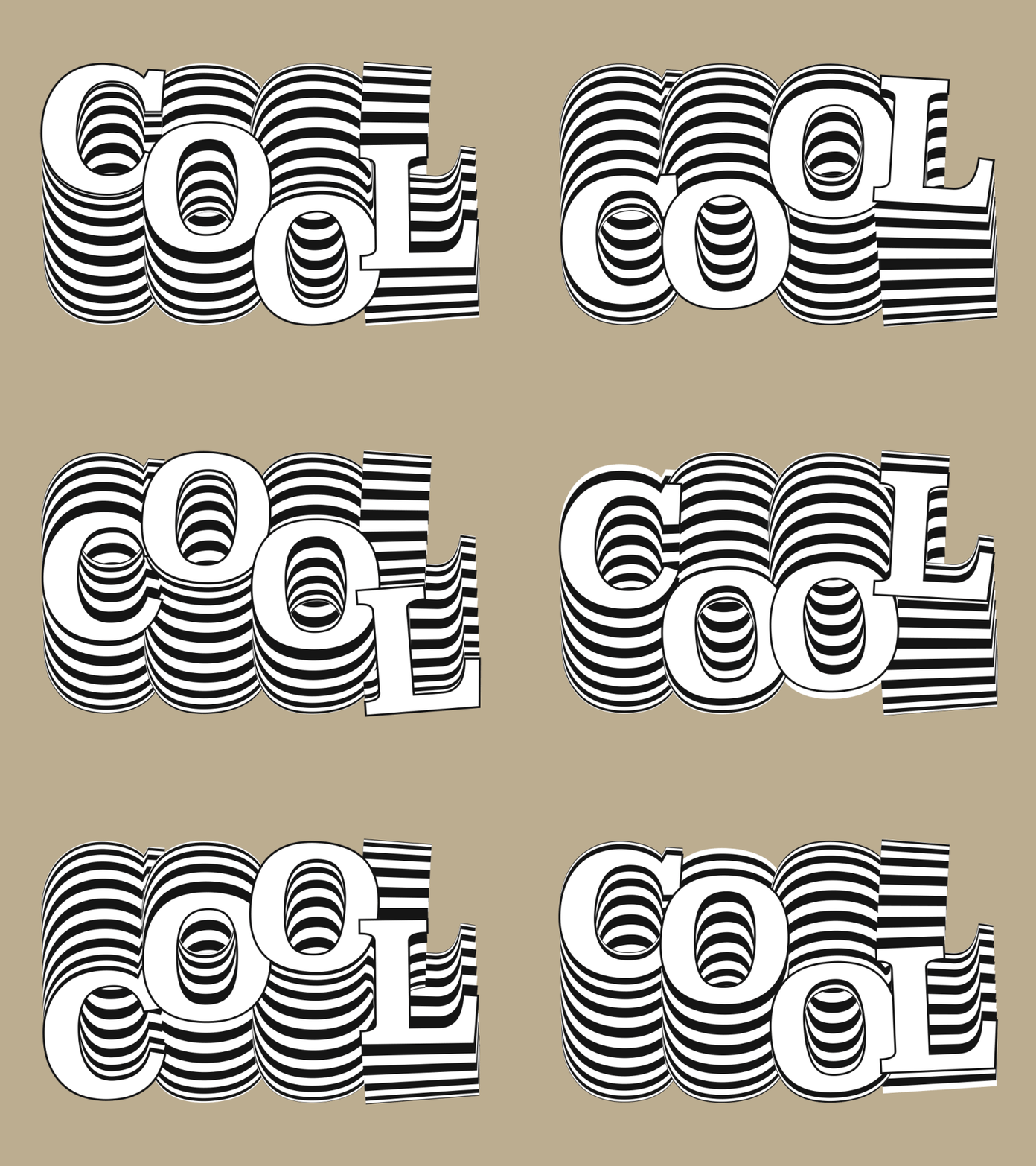
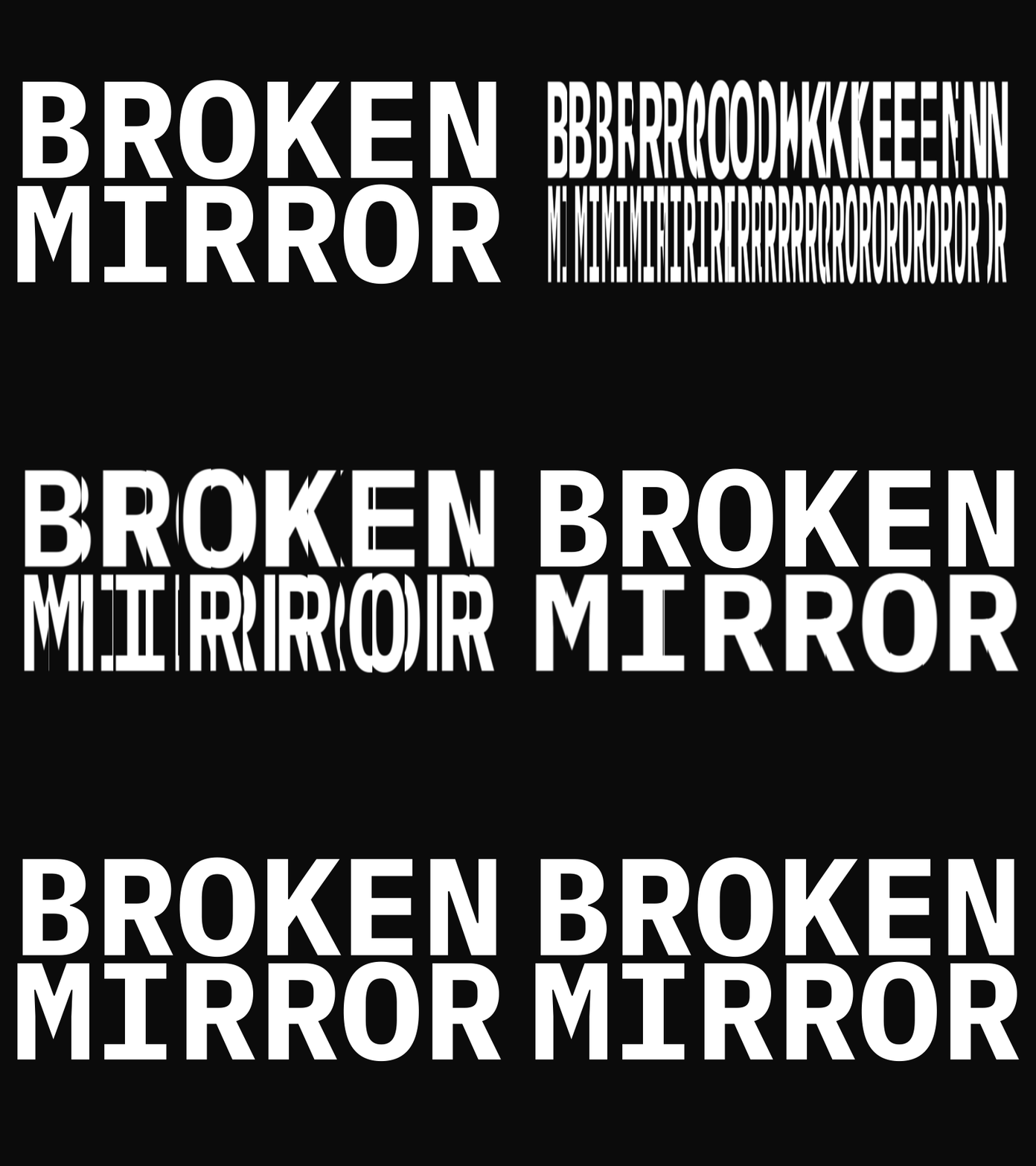
Kinetic typography is a great way to introduce movement to text as a way to grab attention and emphasise the meaning. These examples are from Madrid based animator/graphic designer, Cecilia Erlich.
Onboarding Animations
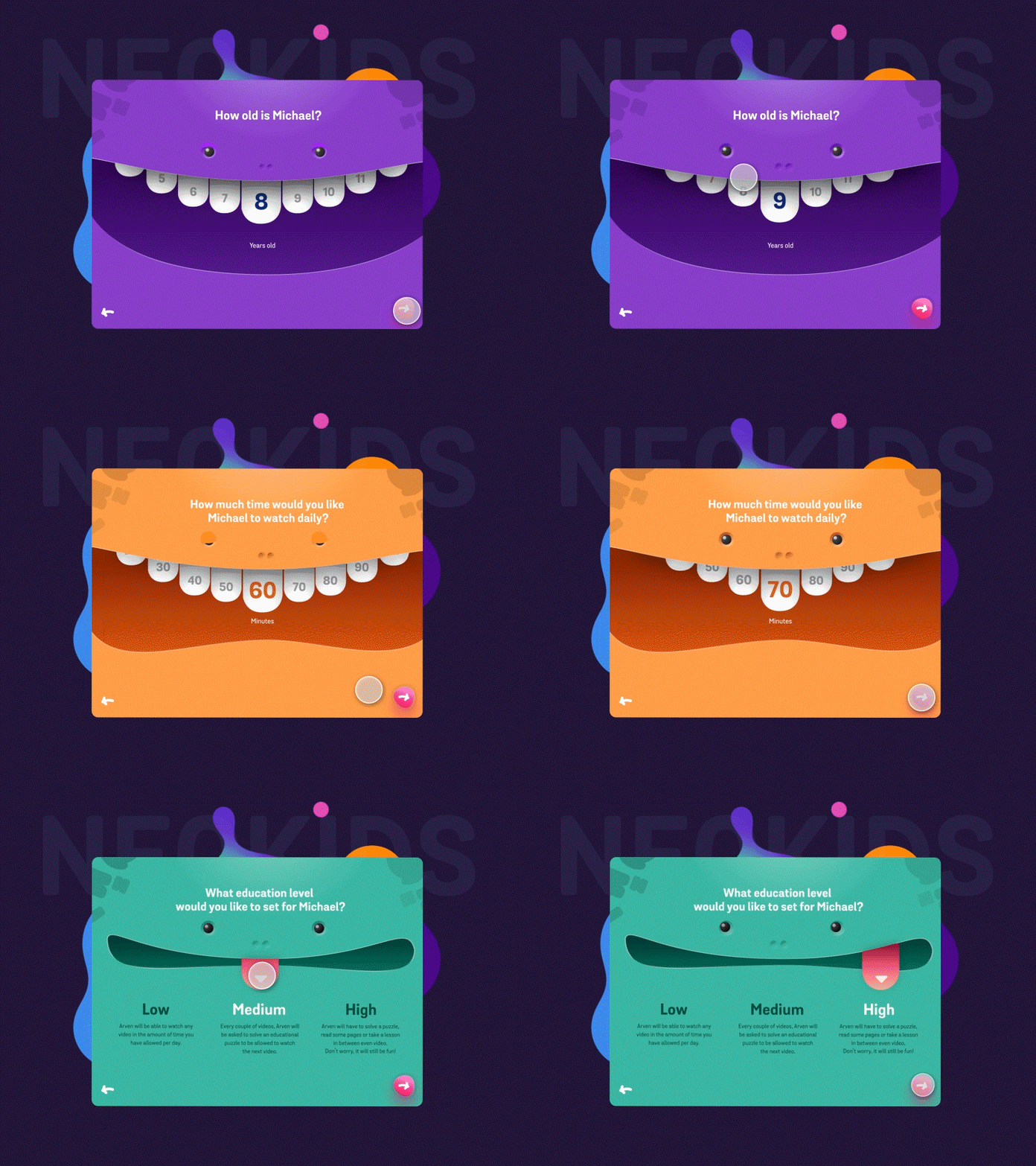
Onboarding Animations are becoming a popular way to introduce a new user to the features of an app or website. Their purpose is to concisely guide a user through the available functions and how to use them. An example is this onboarding animation designed for Neo Kids, a kid friendly video on demand app. It was designed by Minh Phram for Fantasy
Explainer Videos
Motion graphics and explainer videos seem to go hand in hand. They are perfect for breaking down complex or dense information into something much easier to focus on. One of my favourite examples is Munich based animation studio/design agency, Kurzgesagt. They also happen to be one of the most popular Science channels on YouTube with videos available in English, German and Spanish.
Kurzgesagt work as an in-house team consisting of researchers, writers, designers, animators and producers. They also collaborate with a wide network of experts, journalists, voice actors and sound designers.
What I really love about these videos is the way they can make any topic seem interesting and easy to digest no matter how complex. They work as if they are animated infographics with a load of added extras. The style of the animation is similar to other flat vector based web graphics that we see everywhere but instead of making it all as minimal as possible, they go for a sort of ‘maximalist minimalist’ approach. Each scene is packed full of life, movement and colour.
 Jemima's Designs - Blog